The resurgence of World of Warcraft Classic, commonly referred to as "WoW Classic" or simply "Classic," has reignited not just nostalgia but also a unique social ecosystem that many thought had faded with the original game’s evolution. Unlike the streamlined, convenience-driven modern version of WoW, Classic demands cooperation, patience, and—above all—genuine human interaction. This has led to the formation of tight-knit communities, intricate social networks, and even unexpected real-world friendships. The social dynamics of Classic are worth examining because they reveal how digital spaces can foster meaningful connections when designed to prioritize collaboration over efficiency.
The Foundations of Classic’s Social Fabric
At its core, WoW Classic is a game that refuses to let players solo their way to success. Questing alone is often perilous, dungeons require carefully assembled groups, and elite enemies demand impromptu teamwork. These mechanics force players to engage with one another, whether through in-game chat, guild recruitment, or server-wide coordination for massive raids like Molten Core or Blackwing Lair. Unlike retail WoW, where automated group finders and cross-realm systems anonymize interactions, Classic’s reliance on manual grouping means reputation matters. A player who ninja-loots or abandons a group mid-dungeon quickly earns a bad name, while those who heal, tank, or offer buffs freely become sought-after allies.
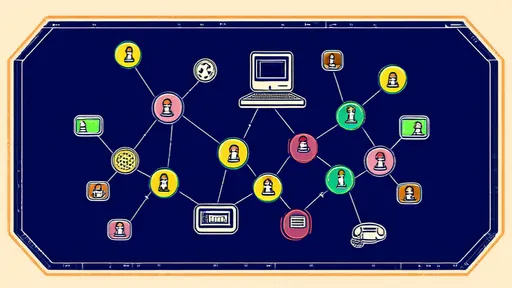
This reputation system creates a web of social accountability that mirrors small-town dynamics. On any given server, players recognize each other’s names, remember past interactions, and form judgments based on behavior. Guilds, in particular, serve as the backbone of these networks. Joining a guild isn’t just about accessing raid slots; it’s about integrating into a community with shared goals, inside jokes, and even drama. The guild chat becomes a constant stream of conversation, advice, and camaraderie, often extending beyond the game into Discord servers or WhatsApp groups.
The Unexpected Role of Nostalgia in Social Bonding
Nostalgia isn’t just a marketing tool for WoW Classic—it’s a social glue. Many players returning to Classic are veterans who played the original game in their teens or early twenties. For them, the game isn’t just a pastime; it’s a portal to a time when life was simpler, friendships were forged over Ventrilo, and the thrill of downing Ragnaros for the first time was unparalleled. This shared emotional backdrop accelerates bonding. When two strangers discover they both raided in 2006, there’s an instant connection, a shorthand for trust and mutual understanding.
But nostalgia isn’t exclusive to old-timers. Younger players, who missed the original WoW era, are drawn to Classic precisely because of its reputation as a socially rich experience. They crave the sense of belonging that modern MMOs often lack. In Classic, they find mentors—older players who explain mechanics, share lore, or gift bags of gold and gear. These intergenerational friendships blur the lines between game and community, creating a culture where helping others isn’t just encouraged but expected.
The Dark Side of Classic’s Social Networks
Of course, no social ecosystem is without its pitfalls. Classic’s emphasis on reputation can breed toxicity, particularly in high-stakes environments like raiding or PvP. Guilds fracture over loot distribution, leading to bitter server-wide drama. The lack of anonymity means that personal conflicts can escalate quickly, with entire factions taking sides in disputes. Additionally, the time investment required for Classic’s endgame content creates exclusivity. Players who can’t commit to rigid raid schedules often find themselves sidelined, unable to progress without sacrificing real-world responsibilities.
Another emerging issue is the commodification of social capital. In Classic’s economy, gold and power-leveling services are rampant, but so too are services that trade on social trust. Players sell "boosts" through dungeons or raids, leveraging their reputations as reliable carries. While this mirrors real-world gig economies, it risks undermining the organic cooperation that makes Classic unique. When interactions become transactional, the sense of community can erode.
The Future of Social MMOs in a Post-Classic World
WoW Classic’s success has sparked a broader conversation about what players want from MMOs. The demand for Classic wasn’t just about outdated graphics or clunky mechanics—it was about recapturing a sense of shared adventure. Other games are taking note. Titles like Final Fantasy XIV have long emphasized storytelling and social bonds, but newer projects, such as Ashes of Creation, are explicitly designing systems that reward player interdependence and discourage solo play.
Classic’s legacy may ultimately be its proof that social depth, not just content updates, sustains MMOs. In an era where many games prioritize engagement metrics over human connection, Classic stands as a reminder that the most compelling virtual worlds are those where players aren’t just avatars but neighbors, allies, and sometimes, friends for life.

By /Aug 15, 2025

By /Aug 15, 2025

By /Aug 15, 2025

By /Aug 15, 2025

By /Aug 15, 2025

By /Aug 15, 2025

By /Aug 15, 2025

By /Aug 15, 2025

By /Aug 15, 2025

By /Aug 15, 2025

By /Aug 15, 2025

By /Aug 15, 2025
By /Aug 15, 2025

By /Aug 15, 2025
By /Aug 15, 2025
By /Aug 15, 2025
By /Aug 15, 2025

By /Aug 15, 2025

By /Aug 15, 2025

By /Aug 15, 2025
