The world of mechanical keyboards has evolved dramatically over the past decade, with hot-swappable switches becoming a standard feature for enthusiasts and professionals alike. Unlike traditional soldered switches, hot-swappable designs allow users to replace key switches without any specialized tools, offering unparalleled flexibility and customization. However, one critical aspect that often goes overlooked is the longevity of these hot-swappable sockets and switches under repeated use. How many insertion cycles can they endure before failure? This article delves into the rigorous testing methodologies and findings surrounding hot-swappable switch durability.
The Rise of Hot-Swappable Keyboards
Hot-swappable keyboards have gained immense popularity due to their user-friendly design. Gamers, typists, and keyboard modders appreciate the ability to experiment with different switch types—whether linear, tactile, or clicky—without committing to a permanent setup. Brands like Glorious, Keychron, and Drop have embraced this trend, integrating hot-swappable sockets into their mid-range and premium models. But as the market floods with options, questions arise about the long-term reliability of these mechanisms. Are they built to last, or do they wear out after frequent switch swaps?
Testing Methodology: Simulating Real-World Use
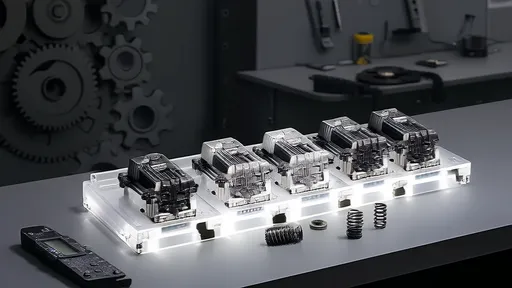
To evaluate the lifespan of hot-swappable sockets, independent testers and manufacturers have developed standardized procedures. These tests involve repeatedly inserting and removing switches into the sockets while monitoring for signs of wear, connectivity issues, or mechanical failure. The most common socket types—Kailh and Gateron—are subjected to hundreds or even thousands of insertion cycles. Testers also examine factors like pin deformation, socket tightness over time, and electrical continuity after repeated use. The goal is to simulate years of casual or heavy usage within a condensed timeframe.
Key Findings from Durability Tests
Results from these tests reveal that not all hot-swappable sockets are created equal. High-quality Kailh sockets, for instance, often withstand over 1,000 insertion cycles with minimal degradation in performance. Gateron sockets, while generally reliable, may exhibit slight loosening after 800-900 cycles, potentially leading to inconsistent keypress registration. Cheaper, no-name sockets—commonly found in budget keyboards—frequently fail after just 200-300 cycles, with pins becoming loose or sockets losing their grip entirely. These findings underscore the importance of investing in keyboards with reputable socket brands.
The Role of Switch Pins in Longevity
Switch pins themselves also play a crucial role in the longevity equation. Gold-plated pins, found in premium switches, offer better corrosion resistance and maintain a secure connection over time. In contrast, non-plated or lower-quality pins can oxidize or deform, exacerbating socket wear. Testers note that repeated insertions with misaligned or bent pins accelerate socket degradation, emphasizing the need for careful handling during switch swaps. Some enthusiasts recommend using a switch puller and applying slight downward pressure during insertion to minimize lateral stress on the sockets.
Manufacturer Claims vs. Real-World Performance
While manufacturers often advertise their hot-swappable keyboards as "durable" or "long-lasting," real-world testing sometimes tells a different story. For example, a brand might claim their sockets endure "500+ insertions," but independent tests could reveal failures earlier due to inconsistent quality control. This discrepancy highlights the importance of third-party testing and community feedback. Keyboard forums and YouTube channels have become invaluable resources for consumers seeking unbiased durability assessments before making a purchase.
User Habits and Their Impact on Socket Life
Beyond hardware quality, user behavior significantly influences how long hot-swappable sockets last. Enthusiasts who frequently swap switches for different typing experiences—say, transitioning from tactile to linear switches seasonally—will naturally wear out sockets faster than those who set a preference and stick with it. Additionally, improper insertion techniques, such as forcing switches at an angle or using excessive pressure, can cause premature damage. Educating users on proper swap techniques could extend socket lifespan considerably.
The Future of Hot-Swappable Technology
As demand grows, manufacturers are investing in more robust socket designs. Novel materials, improved contact mechanisms, and even self-cleaning socket concepts are in development. Some companies are exploring hybrid designs that combine the convenience of hot-swapping with the permanence of soldered connections for critical keys. Meanwhile, the aftermarket for replacement sockets is expanding, allowing users to repair worn-out boards rather than replacing entire keyboards—a win for sustainability.
In conclusion, while hot-swappable keyboards offer exciting possibilities for customization, their longevity depends on multiple factors: socket quality, switch pin construction, user handling, and manufacturer integrity. Rigorous testing reveals that premium sockets can indeed withstand years of moderate use, but budget options may disappoint. For consumers, the lesson is clear: research before buying, handle with care, and invest in quality components to ensure your hot-swappable keyboard remains functional through countless switch changes.

By /Aug 15, 2025
By /Aug 15, 2025
By /Aug 15, 2025
By /Aug 15, 2025
By /Aug 15, 2025

By /Aug 15, 2025
By /Aug 15, 2025

By /Aug 15, 2025
By /Aug 15, 2025

By /Aug 15, 2025

By /Aug 15, 2025

By /Aug 15, 2025

By /Aug 15, 2025

By /Aug 15, 2025

By /Aug 15, 2025

By /Aug 15, 2025

By /Aug 15, 2025

By /Aug 15, 2025

By /Aug 15, 2025

By /Aug 15, 2025
